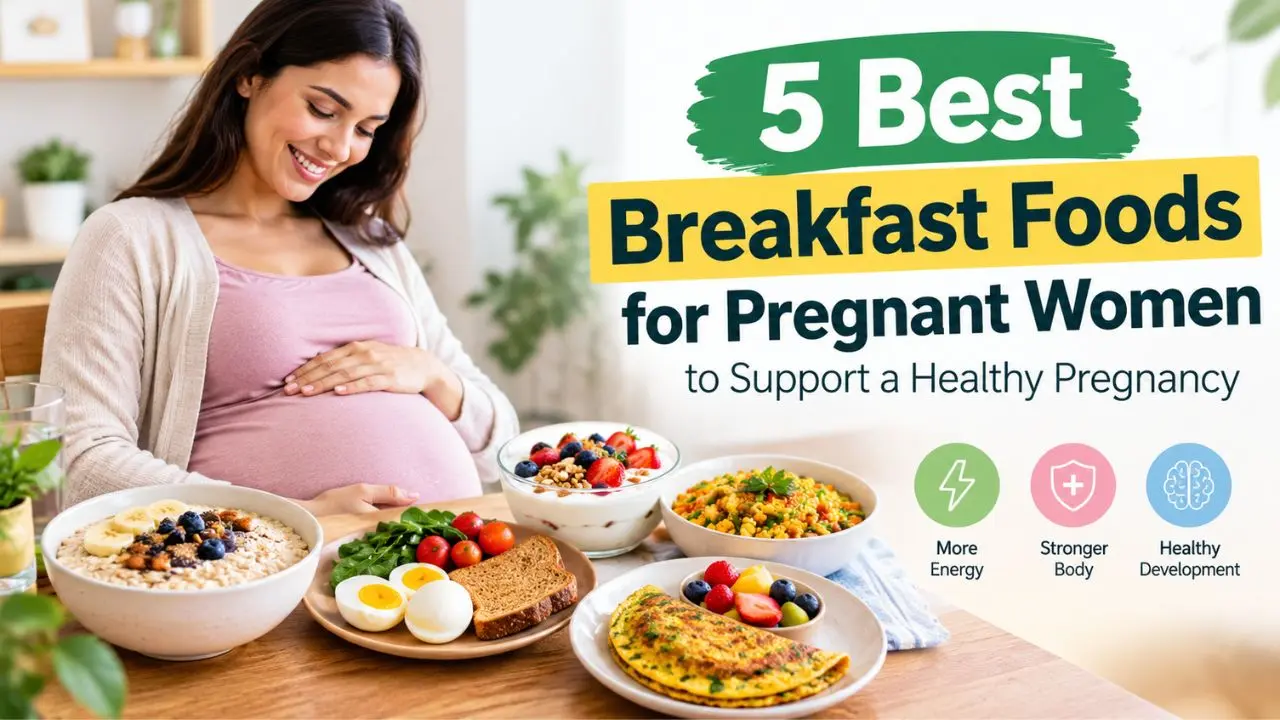
Pregnancy is a stretch of time where food choices start to matter more each day. Your body keeps working all the time. It has to help the baby grow, and it also has to keep you strong and well. Breakfast is often a big deal because it is the first real chance in the day to feed your body. That meal can bring protein, carbs, useful fats, key vitamins, minerals, and steady energy.
You do not need a fancy plan or costly items for a good breakfast. Plain choices like oats, eggs, yogurt, fruit, whole grains, lentils, veggies, nuts, and seeds can fit together well. When you combine these foods, you get support for growth, building strong bones, making blood, and helping the baby’s brain and nerves develop.
It helps to know that one food cannot promise a specific outcome. No single item will “make” a baby smarter. What does help is a pregnancy diet that covers many needs and stays balanced. Health groups often suggest a mix of fruits and vegetables, whole grains or other starchy foods, foods with protein, and dairy or other safe fortified options.
Why Breakfast Matters in Pregnancy
Eating can feel harder during pregnancy. Nausea, fatigue, appetite changes, and long gaps before you eat again can all get in the way. A solid breakfast can help you feel more steady and may make it easier to reach your daily nutrition goals.
A good breakfast often includes protein plus a high-fibre carb. Add fruit or vegetables, and include a healthy fat too. This mix can keep you fuller than a meal made mostly from sweet foods.
Breakfast can be a good moment to add key nutrients. Iron, calcium, folate, choline, protein, and vitamin D are often mentioned. During pregnancy, some of these matter more. Still, meals by themselves may not cover everything. That is why folic acid supplements are often advised. Pregnant people should also talk with a doctor or midwife about prenatal vitamins.
Oatmeal With Milk, Fruit, Nuts, and Seeds
Oatmeal is a simple breakfast option. It is easy to adjust to what someone likes and what they need. Oats bring carbs and fibre. Milk adds protein and calcium. Fruit also adds natural sweetness and extra vitamins.
You can make a warm bowl with pasteurized milk. Then add banana, berries, or chopped apple. Walnuts, almonds, chia seeds, or ground flaxseed can be sprinkled on top. A little nut butter can work too, for taste and some healthy fats.
This meal can help when hunger is low in the morning. It is soft and feels warm, and it is not hard to change. Picking plain oats instead of sweet instant packets may help reduce extra sugar.
Fully Cooked Eggs With Whole-Grain Toast
Eggs make a filling breakfast. They bring protein and other nutrients. They are easy to prepare too. You can boil them, scramble them, or turn them into an omelette with vegetables.
During pregnancy, cook eggs well. The FDA says the yolk and the white should be firm. This helps reduce the risk from bacteria in raw or partly cooked eggs.
Try two fully cooked eggs with whole-grain toast. Add vegetables like tomatoes, spinach, or bell peppers. You can also include avocado for extra healthy fat.
If you want an Indian-style breakfast, make a vegetable egg omelette. Keep it well cooked. Serve it with whole-wheat roti.
| Breakfast Food | Key Nutrients | Benefits During Pregnancy |
|---|---|---|
| Eggs | Protein, choline, vitamin D | Supports mother’s strength and baby’s normal development |
| Oatmeal | Fibre, complex carbohydrates | Provides steady energy and supports digestion |
| Greek Yogurt | Protein, calcium | Supports strong bones and muscles |
| Fresh Fruit | Fibre, vitamins, antioxidants | Supports digestion and overall nutrition |
| Nuts & Seeds | Healthy fats, protein | Provides energy and supports a balanced pregnancy diet |
Greek Yogurt With Fresh Fruit and Seeds
Greek yogurt works when you need a fast meal. It still keeps you full. It has protein and calcium. Fruit adds fibre plus many vitamins and minerals.
Make a simple bowl with plain Greek yogurt. Add banana, berries, apple, or pear. You can include chia seeds and walnuts. A small amount of oats can also fit in. If the yogurt tastes very tart, choose sweeter fruit instead of adding lots of sugar.
Pregnant people should pick dairy that has been pasteurized. This is a common food safety tip. Pasteurization lowers the risk from germs that can be in raw milk. Listeria is one example, and it can be risky during pregnancy.
If someone does not eat dairy, they may swap in a calcium-added option that has no added sugar.
Vegetable poha or upma with peanuts and curd
Many Indian households eat poha or vegetable upma for breakfast. With the right ingredients, they can fit well during pregnancy.
In poha, you can mix in peas, carrots, beans, onions, and peanuts. This adds carbs and fibre. It also brings plant nutrients. If you add curd or yogurt, choose pasteurized curd. That can help with extra protein and calcium.
Upma can be made in a similar way. Use semolina and include peas, carrots, beans, and other vegetables. Peanuts or seeds can add some healthy fats and a bit of protein.
Try not to make it too oily or too salty. Use a fair amount of oil. Add lots of vegetables. Pair it with a protein-rich side to keep the meal more balanced.
Besan chilla with paneer and fresh fruit
Besan chilla is a good breakfast option. Many people choose it when they want a vegetarian protein meal. Chickpea flour can be mixed with vegetables. Common picks are spinach, grated carrot, tomato, and onion. The batter should be cooked well until it is fully done.
Paneer can be stirred in or added on top. It can help the meal feel more filling. It also adds protein and calcium. Have a small portion of fresh fruit on the side. This can bring fibre and more micronutrients.
During pregnancy, be careful with dairy. Use paneer made from pasteurized milk. Keep it in a safe way and store it properly. Food safety matters more in pregnancy because the risk from foodborne illness is a bigger concern.
FAQ
Best breakfast for pregnancy is not the same for everyone.
A solid option usually has a few parts. You want protein. You also want carbs that are higher in fiber, like whole grains. Add some fruit or vegetables. Include a healthy fat too. If you want examples, oatmeal with fruit and nuts works for many people. Fully cooked eggs with whole grain toast can be another choice. Plain yogurt with fruit is also common. Vegetable poha is fine when made well. Besan chilla is another practical pick.
Can a pregnant woman have eggs at breakfast?
Yes, eggs can fit into a pregnancy meal plan as long as they are cooked all the way through. Both the yolk and the white should look firm. If you use pasteurized eggs, the rules can be a bit different, but the key idea is to avoid raw or half cooked egg in any dish.
Is oatmeal okay in pregnancy?
Oatmeal is a good breakfast choice during pregnancy. It brings carbs and fiber. It also pairs easily with foods that add extra nutrients. For example, you can add milk or yogurt, plus nuts, seeds, and fruit.
Is poha a good choice during pregnancy?
Poha can be a healthy meal in pregnancy if you add vegetables. Try to pair it with protein rich foods, such as peanuts, curd, yogurt, or another protein option. The amount you eat matters as well, along with the full balance of the meal.
Can pregnant women eat yogurt?
Yes. Pasteurized yogurt can be part of a pregnancy diet. It can supply protein and calcium. Still, make sure the dairy you buy is made from pasteurized milk.
What should be skipped at breakfast during pregnancy?
Be careful with anything that could raise the risk of food illness. That includes raw or undercooked eggs. Avoid unpasteurized dairy. Do not eat raw seafood. Also avoid high mercury fish. Lower mercury seafood can be included in a healthier way, if it is prepared safely.