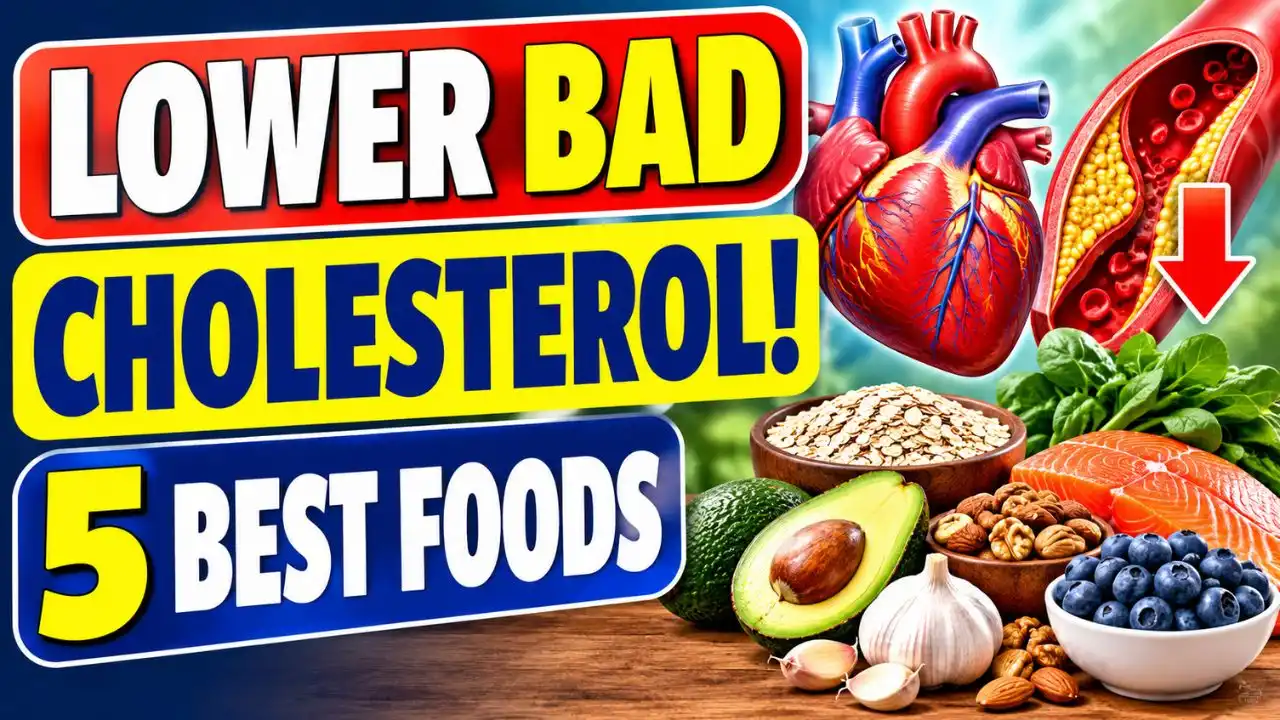
High cholesterol affects many adults in Australia. When LDL cholesterol, sometimes called “bad” cholesterol, is higher than it should be, fatty material can collect in the artery walls. This can raise the chance of heart disease and stroke.
It helps to know that small changes in food can count. Swapping in more fibre foods, picking better fats, and cutting back on saturated fat may support better cholesterol numbers as time goes on. The Australian Heart Foundation points to an eating pattern that focuses on whole grains, vegetables, fruit, legumes, nuts, seeds, and fish.
Here are five foods you can include often if you want to look after your heart in a more natural way.
Oats
Oats can be a good breakfast if you are trying to manage cholesterol. They have beta-glucan. This is a type of soluble fibre. It supports lower cholesterol uptake in the gut.
If you eat oats often and keep saturated fat low, oat beta-glucan may help reduce LDL cholesterol. You can make porridge with rolled oats. You can also try overnight oats. Another option is to add them to wholegrain muffins you make at home. For a simple Australian style breakfast, cook rolled oats with reduced-fat milk, or use an unsweetened fortified soy drink. Top with apple slices, berries, chia seeds, or a few walnuts.
Pick plain oats. Avoid instant oats that are sweetened. Flavoured versions can include extra sugar, and you do not need that for a heart-friendly meal.
Beans, lentils and chickpeas
Beans, lentils, and chickpeas are budget-friendly foods. They bring plant protein and fibre. They can help when you want filling meals without leaning on processed meat too much.
These foods include soluble fibre. That fibre can reduce how much cholesterol the body absorbs. When you swap some fatty meat for legumes, you can also cut down on saturated fat. The Australian Heart Foundation includes legumes in a heart-healthy way of eating.
You have a lot of meal options. Add lentils to soups. Make chickpea salads. Put beans into vegetable stews. You can also use lentils instead of some mince in pasta sauces you cook at home.
Canned options work well on busy days. Choose lower-salt cans when you can. If the label has a lot of salt, rinse the beans or chickpeas under running water before you use them.
Nuts and Seeds
Almonds, walnuts, chia seeds, and flaxseeds have unsaturated fats, fibre, and other useful nutrients. These foods can fit well in a heart-friendly eating pattern. Swapping foods that are higher in saturated fat for foods with more unsaturated fat may help bring LDL cholesterol down.
Nuts are simple to use in day-to-day meals in Australia. You can start the day by adding a small handful of unsalted almonds or walnuts to oats. They also work as a snack. For lunch, chop them and sprinkle them over a salad.
Chia and ground flax can go into porridge, yoghurt, or a homemade smoothie. They add fibre and healthy fats. They do not need a lot of steps.
Still, you should watch the amount. Nuts and seeds are calorie dense. Aim for plain or unsalted types more often. Try to limit options that are salted, sweetened, or coated in chocolate.
You do not have to eat a lot to see benefits. Steady, moderate portions can be a realistic part of a balanced diet.
Foods That Support Healthy Cholesterol
| Food | How It May Help | Easy Way to Eat It |
|---|---|---|
| Oats | Soluble fibre can help lower LDL cholesterol | Porridge or overnight oats |
| Beans, lentils and chickpeas | Provide soluble fibre and plant protein | Soups, salads and curries |
| Nuts and seeds | Supply unsaturated fats and fibre | Add to oats, yoghurt or salads |
| Oily fish | Omega-3 fats help lower triglycerides | Baked salmon or grilled sardines |
| Apples, berries and other fruit | Fibre, including pectin in some fruits | Fresh fruit or fruit with plain yoghurt |
Oily Fish Such as Salmon and Sardines
Salmon, sardines, and other oily fish contain omega-3 fatty acids. These are linked to heart health. Omega-3 fats may help lower triglycerides, which are another kind of fat in the blood. Their impact on LDL cholesterol is not the same. Because of that, oily fish should not be treated as a sure LDL-lowering fix.
Oily fish can also replace meals with fatty or highly processed meats. That swap may help you cut back on saturated fat.
In Australia, you can choose fresh, frozen, or canned fish. They all can be useful when you need something quick. Try baked salmon with vegetables. Or have grilled fish with brown rice. You can also serve canned sardines on wholegrain toast.
When you cook, choose baking, grilling, or steaming instead of deep-frying. If you buy canned fish, check the labels. Pick lower-salt options when it is easy to do so.
Apples, Berries and Other Fibre-Rich Fruits
You can also lift your daily fibre by eating fruit. Apples, pears, oranges and berries each bring their own mix of vitamins, minerals and plant nutrients. Some fruits have pectin. This is a soluble fibre. It may play a role in keeping cholesterol in a healthy range.
Choose whole fruit more often than juice. Whole fruit keeps its fibre. It also helps you feel full for longer. For a quick snack, try an apple. In the morning, add berries to breakfast. You can also slice a pear and eat it with plain yoghurt.
In Australia, you can find fresh fruit, frozen fruit and seasonal options in supermarkets. Frozen berries are handy when fresh berries cost more. They are also useful when berries are not in season.
Aim for different fruit across the week. Do not stick to one kind only. Fruit is best when it fits with a wider eating plan. That plan should include vegetables, wholegrains, legumes and healthier fats.
Frequently Asked Questions
What should I eat to help lower cholesterol on my own?
Oats can be a good option. They have beta-glucan, which is a type of soluble fibre. This fibre may help reduce LDL cholesterol. Still, it works better when oats are part of a wider eating pattern. Add legumes, nuts, fruit, and other foods that support heart health.
Can nuts help with cholesterol?
They can. Nuts bring unsaturated fats and fibre. If you swap high saturated fat foods for nuts, your cholesterol may improve. Pick plain or unsalted nuts. Keep to reasonable serving sizes.
Are eggs a problem if my cholesterol is high?
Eggs do not act the same for everyone. Also, dietary cholesterol is only one piece of the full story. If your cholesterol is high, ask your GP or an Accredited Practising Dietitian for advice that fits you. Then focus on your overall diet.
When will food changes show up in my results?
Changes in cholesterol can take time. It may be seen after weeks or months of better eating and lifestyle habits. Results differ from person to person. Your GP can tell you when to repeat a blood test to track progress.